
Root Canal Treatment – North Attleboro, MA
Eliminating Pain By Removing the Infection
Does just hearing the term “root canal” make you feel uneasy? Since this is one of the most feared dental treatments, you’re not alone. You also have nothing to fear! Our team of experts will ensure optimal safety and comfort when performing this procedure, effectively eliminating the infection and alleviating your pain in the process. If you are interested in learning more about this emergency dental treatment, get in touch with us or read on!
Why Choose Attleboro Dental Group for Root Canal Treatment?
- Advanced Dental Technologies Used to Pinpoint Problem Area
- Experienced Dental Professionals Devoted to Patient Comfort
- High-Quality Materials Used to Protect Teeth
Do You Need Root Canal Treatment?

The innermost layer of your tooth (the pulp) is a sensitive area that consists of various nerves and blood vessels. When damaged or infected, it can send signals to the brain that trigger immense pain. It can also lead to other abnormal symptoms, like persistent dental sensitivity, dark discoloration on the tooth, or a pimple-like bump on the gums. So, if you start to experience these or any other warning signs of trouble, don’t wait – contact our North Attleboro dental team right away.
The Root Canal Process
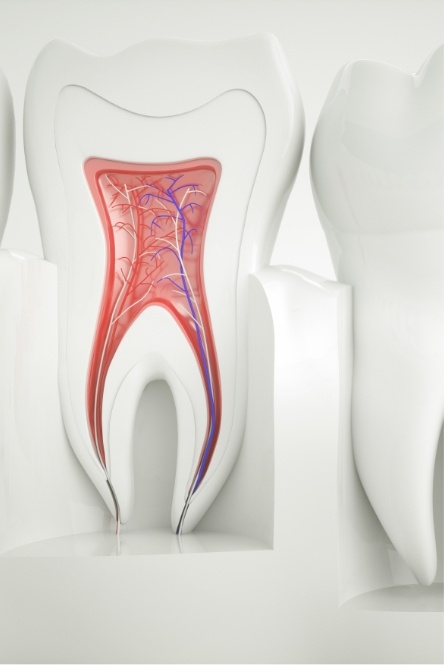
When preparing for a root canal, our in-house endodontist, will first administer local anesthesia. Then, she will use a dental dam to isolate the affected tooth. Entering through the crown, she will clear out the decayed or damaged areas and remove the infected pulp. Next, our team will fill the tooth with a biocompatible solution designed to protect the interior before taking impressions for a customized dental crown.
You will be fitted with a temporary crown while lab technicians work to create your permanent one. After several weeks, you will return to have your temporary crown removed and your finalized restoration put into place. This will provide optimal protection to your vulnerable tooth, helping to protect it from harm in the future.
The Benefits of Getting a Root Canal

One of the biggest benefits of root canal treatment is that it can effectively eliminate the infection, but that isn’t the only one. It is also virtually painless thanks to powerful numbing agents, can save your tooth, and delivers lifelike results with metal-free restorations. Plus, the success rate is extremely high, meaning there’s a good chance that you won’t need endodontic re-treatment or an extraction in the future.
Understanding the Cost of Root Canals

When you’ve been informed that you’ll need a root canal, you might not just have questions about the procedure itself—you may also be wondering what the treatment will cost you. Since every situation is different, there is no set or baseline cost for root canal therapy. That said, during your consultation, we’ll be able to provide you with a cost estimate once we’ve had the chance to examine your smile and review your recommended treatment plan with you. In the meantime, here’s a brief overview of some factors that determine the cost of this useful treatment, along with how dental insurance fits into the picture.




Root Canal FAQs
Do Root Canal Procedures Hurt?
It’s normal to feel anxious about an upcoming procedure, such as a root canal, especially if you’re concerned it could hurt. However, this treatment is known for alleviating more aches than it causes. Typically, it’s used to address severe or persistent toothaches that often result from an underlying infection that has triggered painful inflammation in the tender roots inside.
Our team in North Attleborough understands that you might be nervous, and we will do everything we can to help you feel comfortable throughout your visit. For instance, we’ll start your procedure by numbing your troublesome tooth with a local anesthetic. That way, you don’t have to worry about potential discomfort until the medication wears off after your appointment.
How Can I Prepare for My Root Canal?
Are you wondering if there’s anything you should do before your procedure to help ensure its success? Sometimes, taking proactive steps can help prevent complications during or even following your treatment.
For instance, you should eat a healthy meal an hour or two before your appointment because your mouth will likely still feel numb afterwards. That means you might accidentally burn or bite the tender tissues of your mouth if you eat anything too soon.
You should also do your best to get a good night’s sleep the evening prior so that your immune system is functioning at its peak. You should also avoid drinking alcohol or using tobacco products, which can potentially interfere with the numbing agent used to help you feel comfortable.
How Long Do Root Canals Last?
This is a standard solution that is typically highly successful, and many patients who undergo it are able to retain their treated tooth for the remainder of their natural lives.
However, the longevity of the results can depend on various factors unique to your circumstances, such as the extent of the damage to your tooth, how soon a dental crown is placed after the procedure, and your personal dental hygiene habits. Our team will provide you with a list of post-operative instructions to follow, designed to help you recover effectively and avoid potential complications. Following them as closely as possible can help prevent the need for a second treatment.
How Much Pain is Normal After a Root Canal?
Our team will numb the area so that you might feel pressure while we work, but not outright pain. But it’s natural to wonder what to expect once the medication wears off after your visit.
It’s normal to experience mild to moderate sensitivity, aches, or inflammation following your procedure, but these symptoms are usually temporary and often resolve themselves after a few days. In the meantime, it’s usually safe to take over-the-counter options, such as acetaminophen or ibuprofen, to reduce soreness and swelling. You should also avoid eating overly hard, sticky, or spicy foods for a few days, as they may trigger a negative reaction in your already tender tissues.